Using Audio Recorders to Capture EVPs
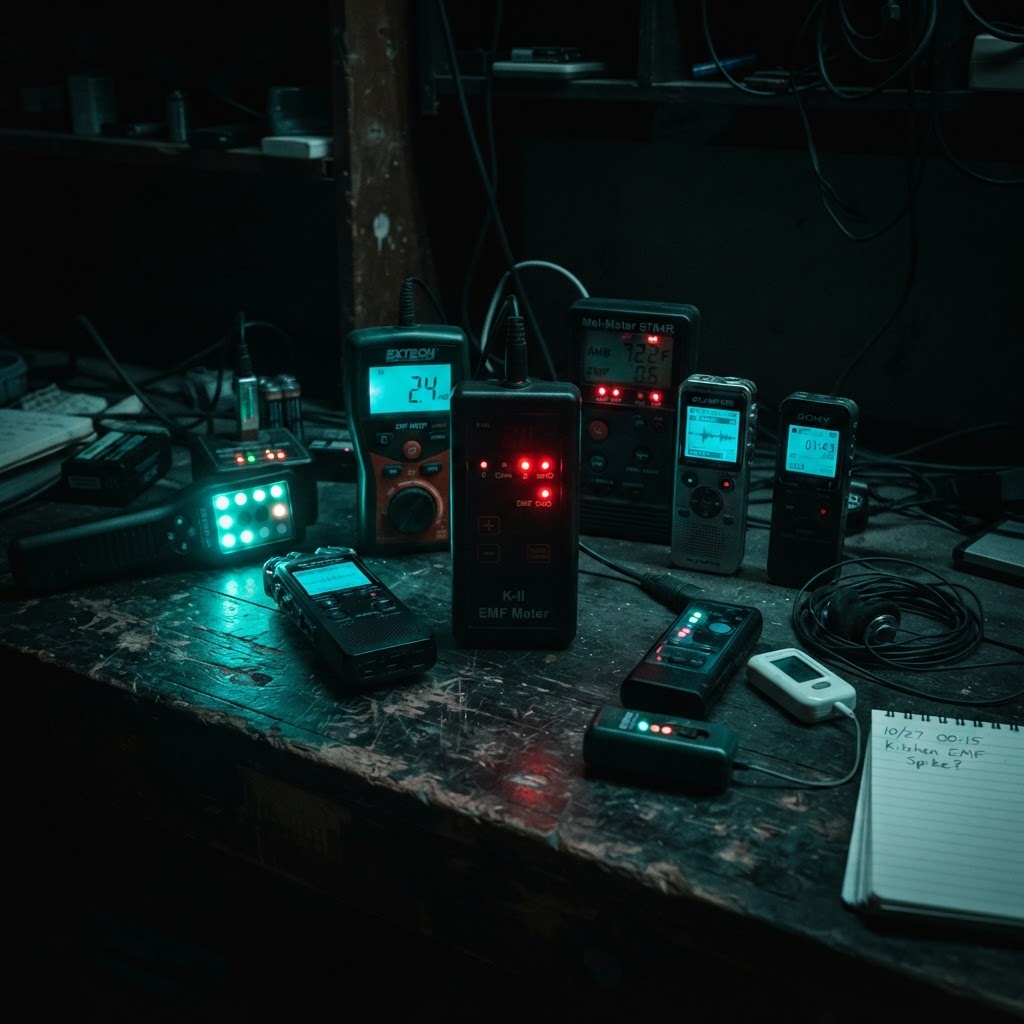
The air in a historic Georgia manor house is often thick with stories. At Hauntology Labs, we believe that sometimes, these stories linger, not just in memory, but in sound. One of the most intriguing and widely discussed aspects of paranormal investigation is the capture of Electronic Voice Phenomena, or EVPs. These are sounds, often voices, that are captured on electronic audio recording devices that are not audible to the human ear at the time of recording. Capturing EVPs is a delicate process that relies heavily on the right equipment and methodology.
The concept is that spirits or residual energy can imprint their voices or sounds onto audio recording devices. This can range from whispers and clear words to disembodied sounds and unexplained noises. While skeptics point to external interference or misinterpretation of background noise, many investigators have documented instances that are difficult to explain through conventional means. Let's delve into how audio recorders are used to try and make contact.
Choosing the Right Audio Recorder
For beginners, a simple digital voice recorder is often sufficient. Look for devices that offer high-quality recording capabilities, preferably in a lossless format like WAV, rather than compressed formats like MP3. The sensitivity of the microphone is also important – a more sensitive mic can pick up subtler nuances in the ambient soundscape. As investigators become more experienced, they might opt for more professional-grade recorders with external microphone inputs, allowing for greater control and clarity. Hauntology Labs offers a range of recommended audio equipment, perfect for both budding and seasoned investigators.
The Recording Environment and Process
Location is paramount. Investigations are typically conducted in places with a history of reported paranormal activity – old homes, battlefields, or even specific rooms where phenomena are frequently reported. Before beginning, investigators strive to eliminate all potential sources of external noise. This means turning off all appliances, ensuring windows and doors are closed, and asking participants to remain as quiet as possible.
Once the environment is as controlled as possible, investigators will often engage in a "quiet period." This is a dedicated time where the recorder is left running, sometimes with investigators asking direct questions to the unseen. Questions like, "Is anyone here?" or "Can you give us a sign?" are common. The key is to ask clear, simple questions and then allow for periods of silence. This silence is crucial, as it gives any potential disembodied voices a "space" to manifest without being drowned out by the investigators' own voices or ambient noise. Some investigators will even play specific tones or white noise, theorizing that spirits might "ride" these frequencies to communicate.
Analyzing Your Recordings
This is where patience and a keen ear are essential. After an investigation, the audio files are meticulously reviewed, often at slower playback speeds or with amplification. This is when faint whispers, strange breaths, or distinct words that were not heard during the live investigation might become apparent. Investigators use specialized software to isolate and analyze these potential EVPs. It's important to maintain a critical approach, looking for logical explanations for any anomalous sounds before concluding it's paranormal. Cross-referencing findings with other data collected (EMF readings, video evidence) can also strengthen a claim. Many of our monthly free hunts provide an excellent opportunity for members of the paranormal society to practice these analysis techniques together.
Capturing EVPs is one of the most rewarding aspects of paranormal investigation. It’s a direct attempt to listen to the echoes of the past. While definitive proof remains elusive, the consistent emergence of unexplained voices from the silence continues to intrigue and motivate researchers worldwide. If you're ready to start listening, Hauntology Labs has the equipment and the community to help you begin.