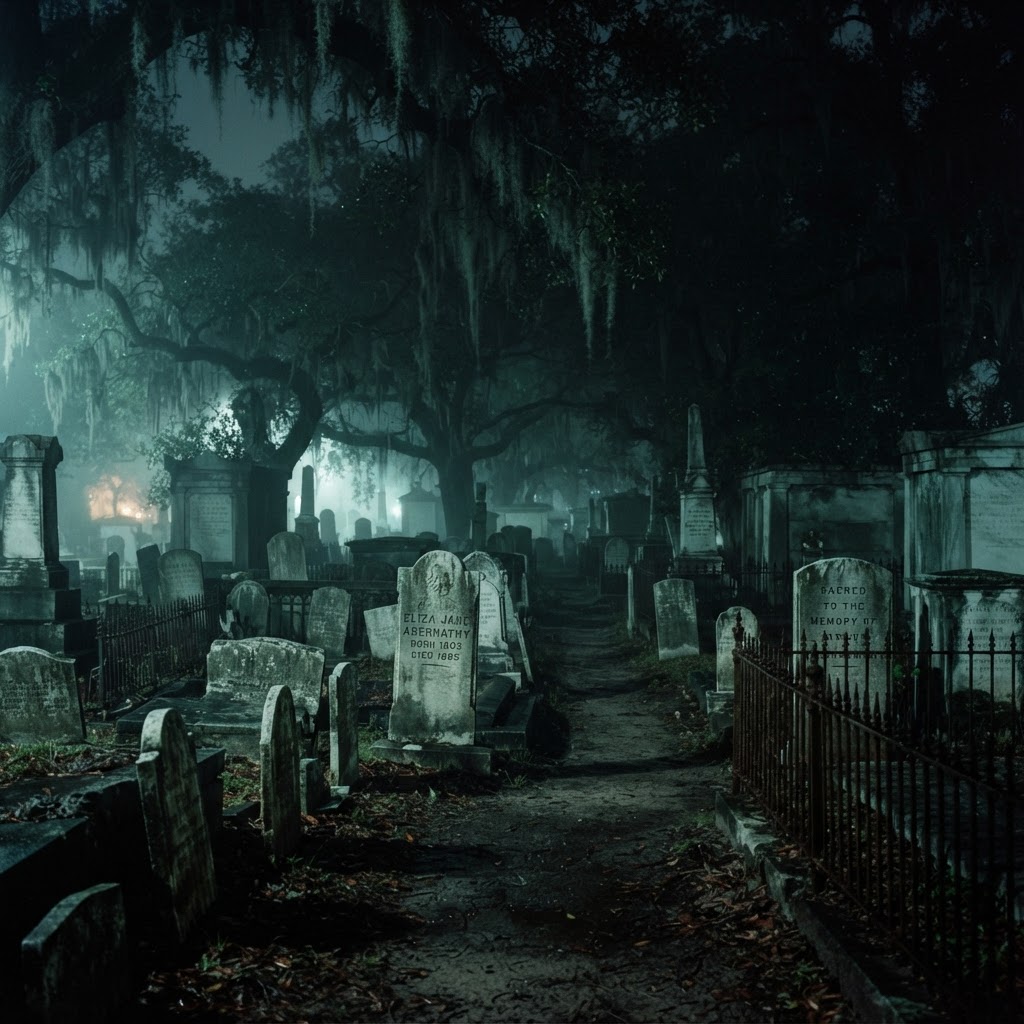
Daytime vs Nighttime Ghost Hunting: Does It Matter?
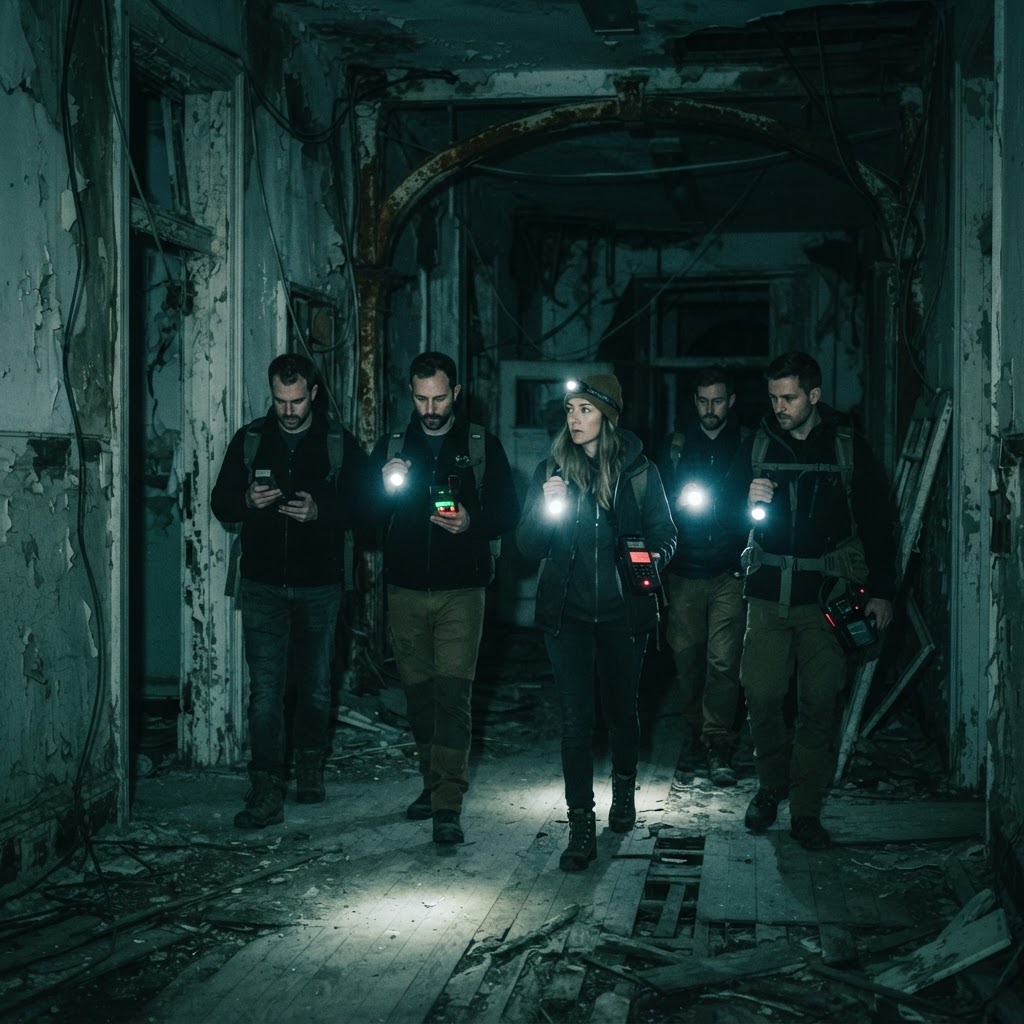
Daytime vs Nighttime Ghost Hunting: Does It Matter?
The classic image of ghost hunting involves flickering flashlights, hushed whispers, and the deep, inky blackness of night. It's an atmosphere steeped in mystery and often associated with the peak of paranormal activity. But does the time of day truly matter when seeking out the unexplained? At Hauntology Labs, we've explored countless locations across North Georgia, and the answer, like many things in the paranormal world, is nuanced.
The Nocturnal Advantage: Why Night is Popular
There's an undeniable psychological element to nighttime investigations. Darkness enhances our senses, amplifies our imagination, and naturally creates a more heightened state of awareness. Many believe that spirits are more active or able to manifest more clearly in the absence of daylight. This could be due to lower levels of ambient electromagnetic energy, or simply because the lack of visual distractions allows people to focus more on subtle auditory or sensory phenomena. Many historical sites and reported haunted locations are also more accessible or atmospheric after hours. Hauntology Labs' signature ghost tours, for instance, are designed to take advantage of this nocturnal mystique.
The Case for Daytime Investigations
However, dismissing daytime investigations would be a mistake. Certain types of paranormal evidence might even be easier to capture during the day. For instance, visual anomalies like unexplained mists or shadows can sometimes be more apparent against a brighter backdrop, whereas they might be missed in the dark. Furthermore, daytime investigations offer a unique opportunity to study the history and architecture of a location without the added pressure of darkness. This can be crucial for debunking potential phenomena – a draft might be explained by the building's ventilation system, or an odd noise by nearby daytime activity. For those interested in methodical research, Hauntology Labs often recommends daytime reconnaissance before a nighttime hunt.
Environmental Factors Beyond Light
Ultimately, the